
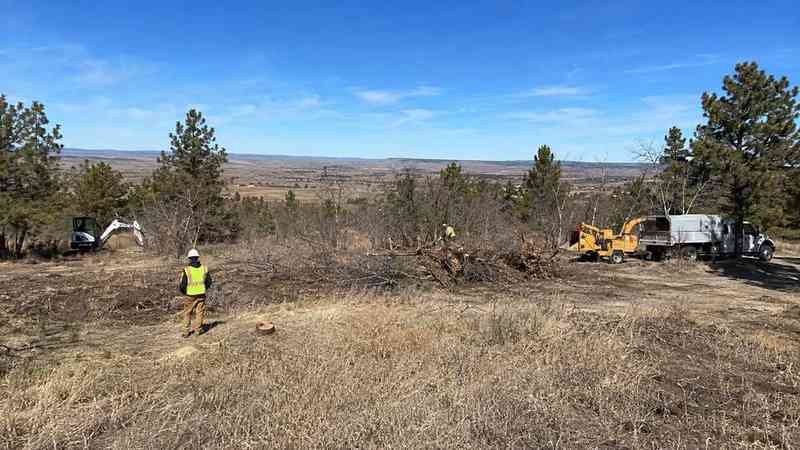
Land Clearing in Billings, MT
Land clearing in Billings, MT for trees, brush, stumps, and woody debris. Preparatory to access, landscaping, construction planning, or other use.
We provide land clearing in Billings, MT for sites that require removal of trees, brush, stumps, and woody debris from a particular area. The task can be preparatory to access or changes in grade and layout, to allow for construction planning, or to clear a lot for other work or uses, but the clearing specifications should reflect how you want the site to be when our scope is completed.
We can assess the density of vegetation, tree sizes, stumps, grade, access, structures, and utilities, as well as volumes, areas to be left untouched, and what comes next. Grading, excavation, demolition, and other work are separate disciplines unless included in the land clearing specification.
Land Clearing Starts With the Future Use of the Property
Land clearing is often much more than just tree removal on a larger scale. The work should be planned from the perspective of what the cleared area will be used for. A building sites, access roads, landscaped areas, pasture borders, overgrown lots, or maintained sites that need periodic clearing can all have different requirements.
Defining the end use will help determine where trees can be left, what vegetation needs to come out, how stumps can best be dealt with, where and how debris can be removed, and how much grading or other work might be necessary. Without this endpoint in mind, “clear the lot” can have very different meanings for the landowner and the contractor.
- What Land Clearing Can Include
- Removal of isolated or nuisance trees
- Brush and woody vegetation clearing
- Removal of small trees and saplings
- Stump grinding or removal as needed
- Removal or management of down woody material and debris
- Opening up an access corridor or work zone
- Chipping, stacking, transportation, or other processing of removed material
- Final clean up within the cleared vegetation zone
Land Clearing vs. Tree Removal
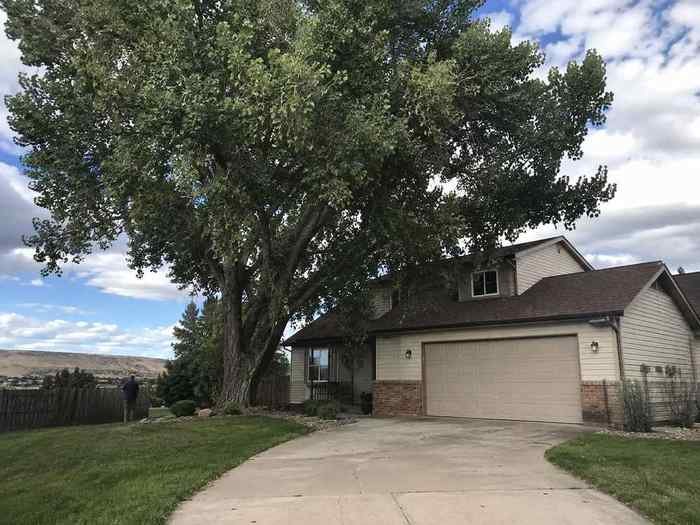
Tree removal services typically focus on isolated trees or small groups of trees. Land clearing looks at a worksite as a whole, and while the number of trees to be removed is a factor, the density of brush, stumps, access and grade constraints, structures and utilities, volumes of debris, and potential future use are also important considerations.
Both types of services may be necessary on the same jobsite, such as when a mature tree is located near a building, but other smaller trees and vegetation need to be cleared away as well.
Land Clearing vs. Lot Clearing
These terms are sometimes used interchangeably, but lot clearing usually refers to clearing a specific parcel for a particular use, such as a building footprint or other structures. Land clearing can be applied to parcels of any size, including large acreages, as well as building sites, access routes, and other areas that need vegetation removed.
It’s more important to define what needs to be done rather than getting caught up in terminology, particularly since an estimate for either “land clearing” or “lot clearing” would likely include details about what is to be removed, what is to be left alone, how stumps will be dealt with, and the desired final state of the cleared area.
Site Assessment Before Clearing Begins
Area to be cleared
The worksite should be clearly defined prior to beginning the clearing process. Property lines and fences, access points and roads, buildings, landscape features, and trees that should be left alone can help define the boundaries of the area to be cleared. Clearing work should always be done with an eye to what needs to be kept, and the delineation of “keep versus remove” should be firmly established before any trees are removed. Once vegetation has been cut or removed, it can be hard to distinguish if it is “keep” or “remove” material.
Densities
A jobsite with widely scattered trees is much different from one with heavy infestations of brush and mature trees, and both are much different from a mix of vines, deadfall, and old stumps. Densities impact how quickly trees, brush, vines, and other material can be cut, processed, and removed.
Tree and stump size
Isolated large trees may need special removal considerations, while smaller trees may be cut as part of a larger clearing effort. Large stumps or those with significant flare at the base may add another step to the job after above-ground vegetation has been cleared.
Access and grade
The width of gates, the stability of driveways, slopes, soft spots, drainage, rock outcrops, and other factors influence which machines can gain access to the worksite and what can be done with the removed material.
Structures and utilities
Buildings, fences, wells, septic systems, irrigation, overhead lines, and other structures can be a constraint or limitation to the clearing work. Some utilities should be marked before any excavation or removal work can begin.
Land Clearing Planned Around the Next Use of the Site
We always begin the planning process with an understanding of the boundaries and intended use. Knowing what should be kept, as well as what should be removed and what comes next, can help ensure that little is removed unnecessarily, and that the next steps can happen as efficiently as possible.
We differentiate between vegetation clearing and work scope that may be done by another party, such as grading, excavation, and demolition. By clearly defining the boundaries of the land clearing job, cost estimates can be more accurate to the specific work needing done.
Material handling can be a significant consideration for larger jobs, both in terms of cost and time. Trees, brush, stumps, logs, chips, and other material can all play a part in these factors. Stump grinding should also be considered as part of the overall jobsite management.
A Sample Land Clearing Process
Define the area and end conditions
Walk the jobsite to establish boundaries and note what should be removed and what should be kept. Establish that the goal is simply to open up the site or to fully clear all woody vegetation, or to prepare the area for another service such as landscaping.
Differentiate between isolated trees and large-scale clearing
Large tree removal near structures or other limitations may need to be sequenced separately from the rest of the job. Work through the clearing area in a manner that allows access for equipment.
Remove brush, saplings, vines, and small trees
These are typically cut and removed first, allowing equipment to access and clear larger trees and stumps, and keeping chipping, hauling, and other material-handling tasks moving efficiently.
Address stumps and roots
Stumps can be left, ground to a specified depth, removed entirely, or cut back for future removal, depending on the conditions and desired end use. Surface roots can also impact the final grade and some methods of site preparation.
Complete additional clean up and material-handling tasks
Logs, branches, and other woody debris can be chipped, hauled, stacked, or otherwise disposed of in accordance with the final conditions and material-handling preferences. A walk-through after clearing has been completed should reflect these wishes and any additional work that might be necessary.
Trees, Brush, and Vegetation: Not Everything Has to Go
Selective clearing can be an important element of land-clearing jobs, particularly if large, healthy trees can be left for shade or wind protection. Keeping screening vegetation and other plants can also help reduce the overall scope of the job. Make sure that trees being kept are not negatively impacted by the clearing work and that their roots stay undisturbed as much as possible.
Stumps, Roots, and the Final Ground Condition
Stumps should be dealt with in accordance with their impact on the final conditions. Grinding can be an option for many jobs, particularly when the ground surface is to be graded or seeded afterwards, but stump removal or more extensive excavation may be necessary for some construction-related jobs.
Stump grinding should also consider the impact on roots below ground, since complete removal typically requires excavation beyond just the visible portion of the stump. When the final conditions are related to tree removal or other vegetation clearing, make sure to coordinate with whoever will be managing that work rather than assuming that all roots and stumps will be excavated.
What Happens to the Cleared Material?
Land clearing can involve a significant amount of material removal from a jobsite, including logs, stumps, chips, and other woody debris. Material-handling options should be reviewed as part of the planning process because they can have a significant impact on both the job’s timeline and cost.
Brush can be chipped in some cases, larger branches cut and made into logs, and stumps dealt with separately. Chips can sometimes be left on site, depending on the conditions and desired end use, while log debris might be stacked and removed. Different considerations are necessary for smaller, mixed woody debris compared to larger, clean logs that can be cut to length.
Equipment and Site Access
Equipment selection should be based on the worksite rather than on a particular preference. The same machines may not be suitable for use on a large tract of land with good access, as they might on a residential jobsite with limited access. Turning radius, slope, ground cover, overhead clearances, and haul road considerations should be made when discussing access with the land clearing contractor.
If the jobsite access is behind a narrow gate, over a landscaped yard, or across sensitive soils, let the contractor know so that options can be discussed. The most direct route on a map may not be suitable for the kinds of machinery that might be needed.
Utility and Right-of-Way Considerations
Any ground-disturbing work should consider the location of underground utilities. NorthWestern Energy encourages homeowners to call 811 before digging to mark the approximate location of overhead and underground utilities in the area. Irrigation, landscape lighting, septic lines, and other private utilities may need to be addressed as well.
If the work is likely to impact a boulevard, right-of-way, or other municipal area within the city of Billings, make sure to review the requirements with Billings Public Works. Tree planting, pruning, and removal in these areas typically require the appropriate permit from Boulevards Tree Planting/Pruning/Removal Permit. Clearing work on private property and trees in public areas should not be treated as the same kind of job.
Land Clearing That Comes First
If the next step in the jobsite process is likely to occur at the same time as land clearing, or if there are limitations or concerns about the impact of either job, make sure to identify these details early in the process. Land clearing rarely comes after tree removal, but the two jobs can sometimes be combined depending on the circumstances.
Landscaping, grading, excavating, or even drainage work can all benefit from knowing what the final grade and conditions are going to be. The same goes for utility installation, road-building projects, and other work that might need to take the condition of the cleared jobsite into account.
Ground Disturbance, Drainage, and Erosion
Trees that are being kept should also have their root systems considered. Repeated ground disturbance, such as trenching or laying sod, and proximity to root systems can impact a tree’s stability, so consideration should be made to keep heavy equipment out of the root zone of trees that are being kept.
Root systems and the ground cover should also be reviewed if they are to be left in place to stabilize a slope or to help prevent erosion. Tree and brush clearing are often the first steps in a longer jobsite process. If large areas, building sites, access roads, or other elements are impacted, this may also be a phased project that allows the landowner to review the impacts at each stage. Tree and brush clearing rarely include final grading and drainage unless specified.
Selective Clearing and Trees That Should Stay
A phased approach to land clearing can be useful in situations where the final design is still being determined. By clearing only those elements that are necessary, trees that can be kept have a better chance to remain, and any additional stump, debris, or restoration costs can be avoided.
Larger jobs don’t always need to be completed all at once, and division of the jobsite into building sites, access, utilities, landscaping, and other elements can help. This can also give the landowner a chance to approve the phasing before additional vegetation is removed.
Phased Clearing for Larger Jobs
What Land Clearing Does Not Automatically Include
This prevents one of the largest misunderstandings about land-clearing jobs. Vegetation clearing rarely includes finish grading, excavation, or other work unless specifically requested. Additional considerations include:
- Finish grading or excavation not noted in the land clearing scope
- Building demolition or removal services
- Engineering or grading services
- Drainage and grading services
- Road construction and base preparation
- Landscape installation services
- Utility relocation services
What Affects Land Clearing Cost?
The cost of land clearing is typically based on the amount of material that needs to be removed and the difficulty of its removal. Simply put, one acre of land with widely scattered vegetation can be much easier to clear than half an acre with many mature trees, stumps, slopes, and limited access.
The following are some of the considerations that can impact the final cost:
- Size of the work area
- Number of trees, their sizes, and the density of brush
- Number and size of stumps
- Slope, rocks, soft areas, or other limitations
- Machine access and removal routes
- Proximity to structures, fences, utilities, and property lines
- Amount of debris that needs to be chipped, stacked, or removed
- Amount of vegetation that can be left alone
- Final grade or site preparation notes
- Need for additional tree removal and stump grinding services
Land Clearing in Billings, MT, and Surrounding Areas
Land areas around the Billings region can vary from developed lots to more mature parcels with large trees. The job should always be reviewed in context rather than basing costs on a “per acre” basis, as access, slope, vegetation density, structures, fences, utilities, and final use can all impact the work.
For a single tree that needs to be removed, Tree Removal in Billings is the preferred service. If a stump is the issue, Stump Grinding is the preferred option. Land Clearing should be used for larger jobs that include trees, brush, and other material that needs to be removed along with access, debris, and considerations for future use.
Use the contact form below or call us to discuss land or lot clearing for your Billings-area property.
Frequently Asked Questions
What does land clearing include?
Land clearing may include removing trees, brush, vegetation, and stumps.
Is land clearing needed before construction?
Many construction projects require clearing before grading and building.
Does land clearing include stump removal?
It can depending on the project scope.
How long does land clearing take?
Time depends on acreage, terrain, vegetation, and equipment needs.
Request Tree Service in Billings, MT
Call for tree service help or use the estimate form on our Contact page. See our full list of tree services for related work.
Get a Fast, Free Estimate
Tell us about the job and we will get back to you.